A Feng Shui Cookbook!

One of my favorite things to do is browse used bookstores.  I could do this for hours, and have – literally.  Or, if I don’t feel so inclined to leave the house, I do it online.  When browsing the plethora of books available on the world-wide web, I stumbled upon an intriguing and thought-provoking book called Feng Shui Food.  This cookbook is a collaborative effort between feng shui consultant Simon Brown,  and restaurant chef Steven Saunders.  Simon Brown has been a feng shui consultant since 1993, and operates Chi Energy, a holistic health institute in London.  He was also one of the first practitioners to bring feng shui classes to the United Kingdom.  Steve Saunders is a highly acclaimed chef.  Having worked on many televised cooking shows (including his own), he is the co-director of the Aspire Group, a restaurant company that has dining establishments all over the United Kingdom, as well as a few exotic locales.  Both gentlemen have authored numerous books, but this is their only joint venture.  So I purchased Feng Shui Food, and awaited its hasty arrival.
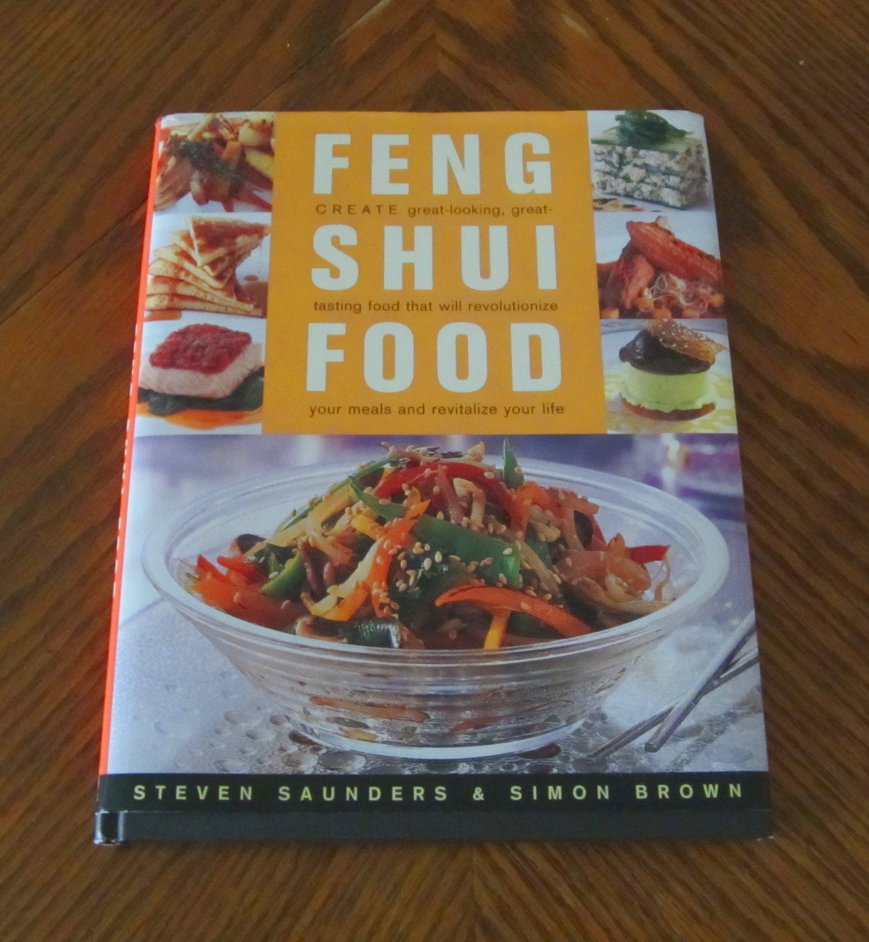
The book gives an intriguing, fresh perspective to cooking along feng shui guidelines.   Divided into five separate sections, the first chapter deals with feng shui basics, yin and yang theory, the five elements, as well as what things attract healthy chi to a kitchen.  The second chapter is nearly all recipes for appetizers and soups, entrees, side dishes, and desserts.  These are organized by yin and yang, with more yin items on the left side of the page, and yang items situated on the right.  Also, the two British authors give corresponding commentary about each dish, both from culinary and feng shui perspectives.

The third chapter, titled Menus for Success, looks at ways to create a certain kind of atmosphere, depending on what one is attempting to achieve.  From a romantic dinner for two, to a children’s lunch, to a meal for reconciliation.  In addition to even more recipes, this section also has a wide variety of tips and suggestions.  The fourth chapter goes into this further, for specific special events, such at weddings or Christmas dinner.  The fifth chapter is all about dining outside of the home.  They include ideas about selecting the right kind of environment for dining depending on the occasion.  An appendix is also located at the back, with even further recipes for oils, sauces, breads, desserts, and a few other items (some of which are required for recipes located elsewhere in the book).  Nearly all of the recipes in Feng Shui Food are vegetarian or pescatarean in nature.   Energy, or chi,  is in our food as well, and when one consumes animal flesh or animal products (dairy or eggs), we take in the energy of that creature.  A certain amount of “dead energy” comes with eating meat, hence why most of the recipes in this book are vegetable or fish based.  Although I support the vegetarian lifestyle completely, I am definitely a carnivore.  But, when I crave a hamburger or New York steak, I tend to look for more organic and humane options.  The book suggests – and I agree – that organic is the best way to go for all food items, when possible.

Many of the informative tidbits s in Feng Shui Food are highly valuable, especially when it comes to attaining a balanced meal from a feng shui perspective.  And all of the recipes are simply mouthwatering.   But then came the difficult part – which recipe do I start with?  I decided to go with Petit Pois a la Francaise, located on page 54 of the book.   I selected this side dish because I liked all of the ingredients, and it seemed rather easy to make.  Although I did play with some of the components.

2 pounds of fresh or frozen peas are the main act in this dish.  I opted for the frozen sweet peas from a fine French store I frequent known as Target  (Their Market Pantry selection of generic food items are very high quality – especially their instant oatmeal).  Rather than use the required shallots, I used finely diced scallions.  I also didn’t have any vegetable broth.  Since I had no present desire to my own, so I took a shortcut by way of beef bouillon.  I also neglected to purchase fresh mint,   so I opted for rosemary as a substitute.

One thing I loved about these peas is they use honey to add a distinct sweet flavor.  Although it requires only one tablespoon, I added a little over two.   I was also concerned about the heavy cream required.  I was expecting it to be cream laden, but the ratio of cream to peas is pretty sparse, so calorie-wise, it isn’t too bad.  Tahini can also be substituted for the cream.
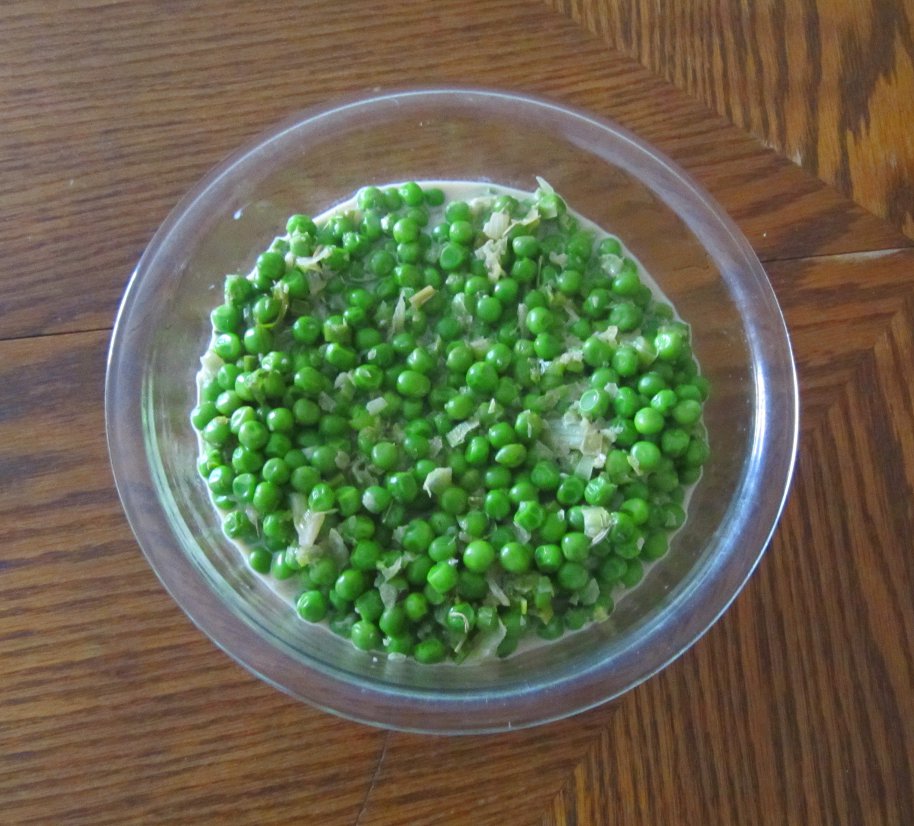
Other than my few alterations, I followed the recipe exactly.  The final product is pictured above.  The recipe states that it’s for four people (nearly all of the recipes in the book are for a party of four).  Here, I disagree.  This amount would easily serve anywhere between six to eight individuals.   While I enjoyed the rosemary, I feel the mint would have complimented the honey on the vegetables much better.  Element wise, I love how wood-based this meal is, with the greenery and fresh herbs.  Simon Brown also indicates this dish is great for wanting to be more creative or more inspired, and I agree completely.  I’ve been adding these peas to Chinese fried rice, macaroni and cheese, scrambled eggs, or leaving as is as the perfect side dish.

Where is the best place to get this wondrous book?  Published in the UK in 1999, and United States in 2000, one’s best bet would be online.  I’ve compiled a list of the most affordable places to order Feng Shui Food below:

This book is sensational, and I highly recommend it to any novice or experienced chef.  As for my further culinary adventures with Feng Shui Food, I plan on making their Lemon Oil and Basil Oil (or perhaps combining the two), Honey and Raspberry Fool, Fried Lentil Cakes with Cumin, and  Lasagna of Spinach Pasta and Wild Mushrooms.  I better get started cooking…
Raphael: An Artist Studio

The color yellow in feng shui is an alluring example of the earth element, introducing a vibrant cheerfulness to any environment.  Some color researchers feel that this shade can  strengthen one’s immune system, confidence, and well-being.     For feng shui guidelines, it is best used in living rooms, kitchens, dining areas, and entry halls.   Yellow can work for other areas, too, but it depends on which pigment is selected for which location.  A primary yellow, for instance, would be much too yang in its energies for a bedroom; the occupant would have trouble sleeping and could become agitated.  But a pale yellow would work well for rest and rejuvenation.  Yellow can also bring a glowing fire element into a space, depending on the hue.  The luminosity of the various yellows in the painting above adds depth and sensuality to the piece without the effort of  reds or purples.   It also brings a brightness to the restaurant hallway in which it resides.   Be it citrine, amber, or goldenrod, the color yellow makes a valuable  impact to one’s surroundings.

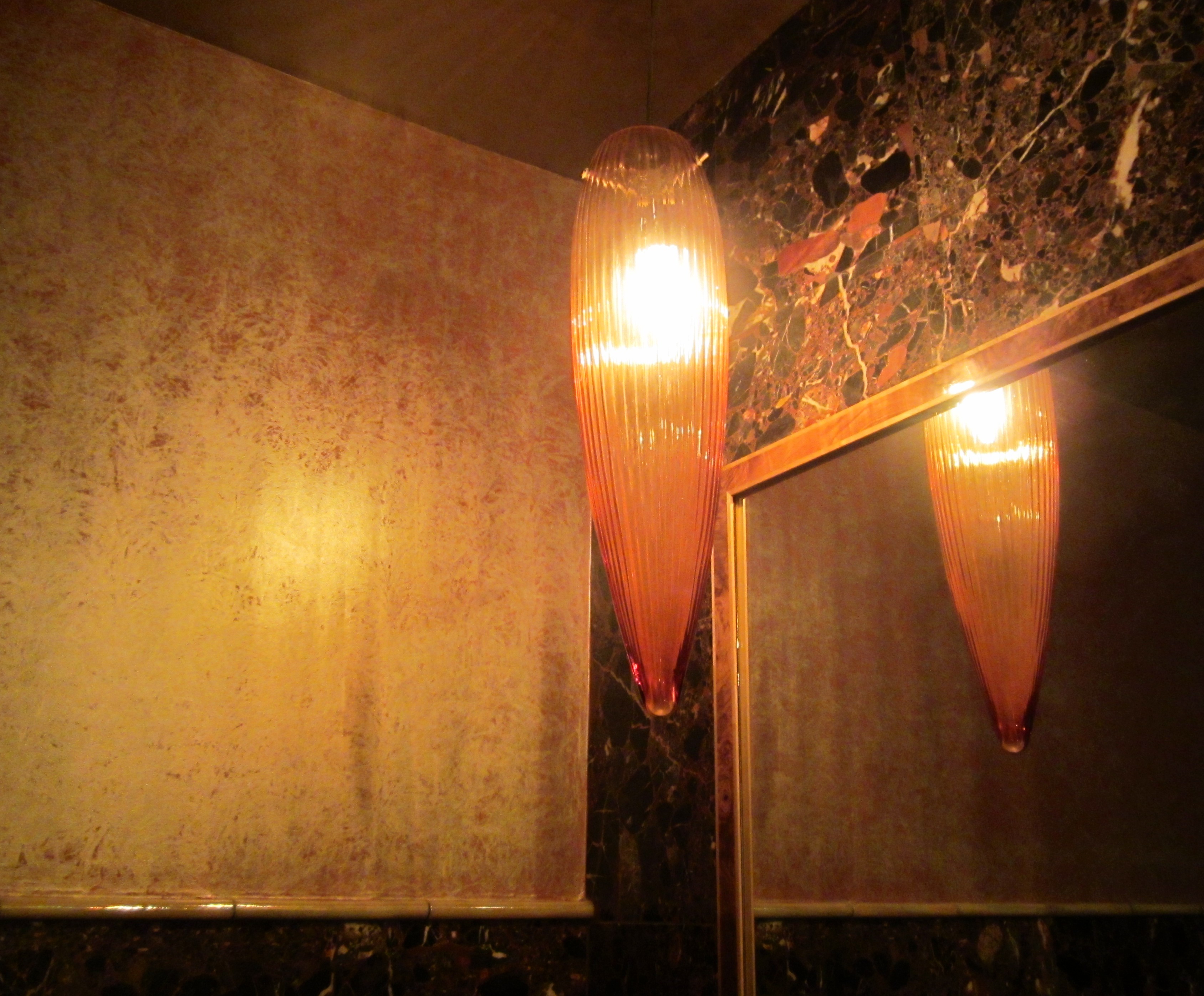
Nestled amidst the bustle of Ventura Boulevard lies an artistic oasis of the cultivated kind known as Raphael.   I came here the other day with my friend Hanh, and was highly impressed.  All of the elements here are beautifully displayed, and the use of color is that of a painter’s palette.   The main dining area of the restaurant is tastefully decorated.  Intriguing art, comfortable seating, and unique light fixtures are some of the striking features here.  One of my favorites was the lavish yellow wall panels.  These golden room dividers help to add a sense of warmth and luxury to the dining experience.   Another item that captivated my attention was a handmade glass light fixture.  With its fiery tints and triangular shapes,  it can act as one’s own personal sun if they sit at this specific table (pictured above).

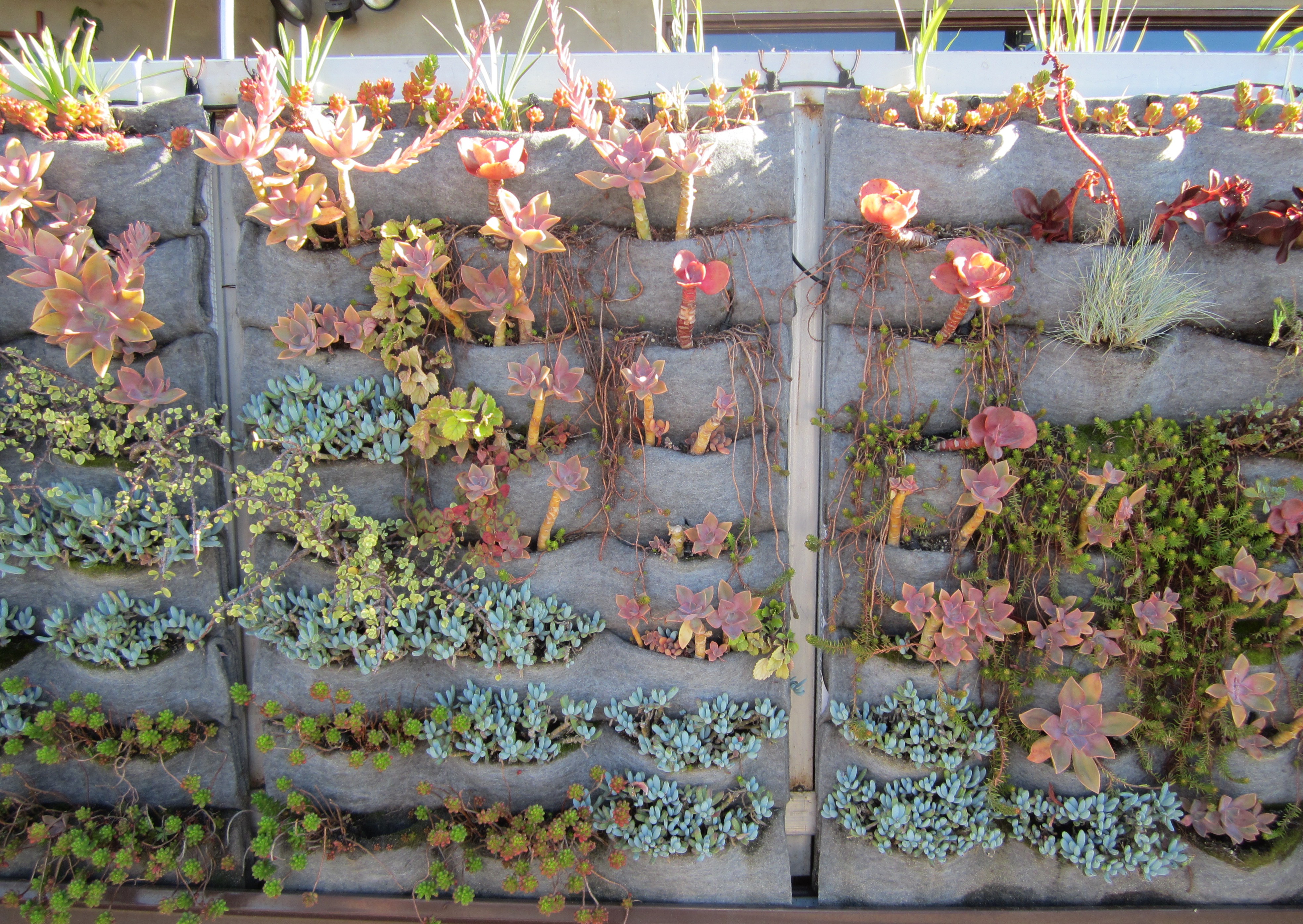
The outside of Raphael is a stoic stone edifice that masks the style and grandeur that awaits inside – until you see the succulents.  A massive wall of living plants encloses the outdoor terrace dining, adding a rich and lively wood element to the earthen structure.

In contrast to the robust yellows of the dining area, the lounge is hued in shades of blue and green, with wood-paneled walls and squared lighting.  I love the use of  rectangles and squares here, providing a stability while dining.   A medium-sized bar lies directly across.  One aspect here I did not care for – feng shui wise – was the mirrored ceiling, which can be glimpsed in the top left corner of the photo.  Reflective ceilings are considered very high energy, and will cause difficulty in one being able to rest.  However, being that this is a place of business and not a residence, I found this to be a rare exception to the rule.  But no one should hang a mirror over their bed on the ceiling – ever.  In addition to the tawdry tackiness of how it looks,  the occupant of the bed will suffer a variety of problems.  Don’t do it.

And now on to the food!  Raphael is experimenting with their Happy Hour at present, but we sampled their selection of three small plates for $12.00.  The selection of the three items changes daily upon the discretion of the artist, chef Adam Horton.  He combines various Asian cooking elements into his nouveau cuisine.  The three masterpieces above were sublime in both taste and presentation.

  • On the left we have Amberjack lounging about in a pool of delicious curry sauce, with baby carrots.  A coconut puree acted as garnish.  Incredible.
  • In the middle we have tomatoes, burrata cheese and kimchi, served warm under glass.  When I lifted the glass up, smoke billowed out.  Dinner and a show – I love it.  Tasty and tantalizing.
  • On the right we have Wagyu beef accompanied by bacon-onion jam.  The little half egg roll garnish is filled with a mellow bleu cheese.  Mouthwatering.

And below are the other things I sampled:

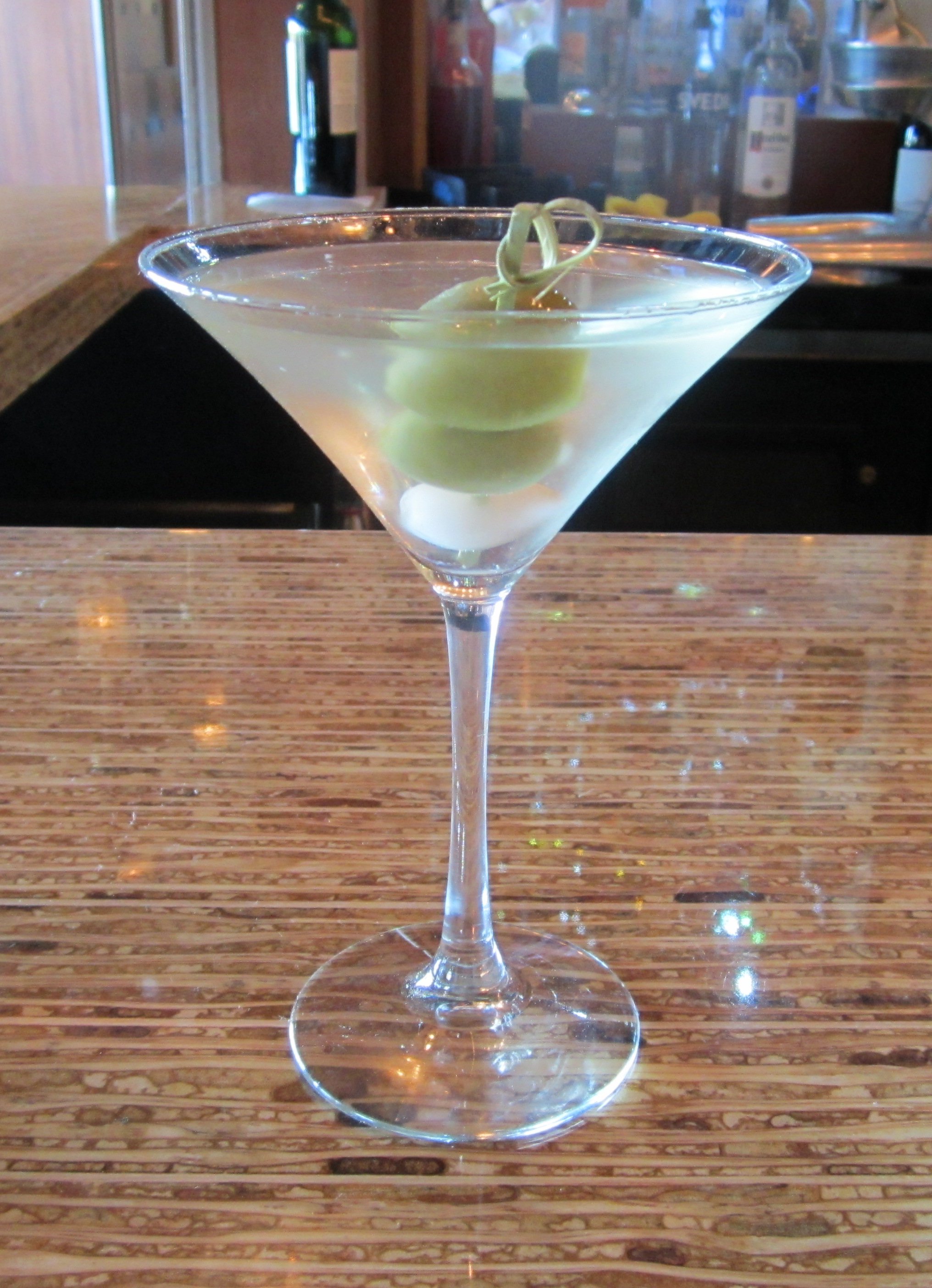
Savory Martini – A gin based martini with celery bitters, dry vermouth, Parmesan stuffed olives, and a solitary cocktail onion.  I love martinis – especially a Gibson – and this one combined my love for cheese into the concoction.  Also available with vodka.  Decadent and classy.

Roseberry – An ideal summer beverage!  Fresh pressed raspberries, lemon, and gin pool their talents together wonderfully.  Garnished with a sprig of fresh rosemary.  A prime example of yin and yang, with the savoriness of the gin and rosemary, and the sweetness of the fruit.  I love the ruby color of the drink as well.  Addictive.

Ginger Shandy – Ginger beer, vodka, Corona, and liquid ginger perform exquisitely in this lush summer cocktail.   I especially liked the use of yuzu foam across the top, giving it a nice froth.  These are dangerous – I could drink them all day.

Macaroni and Cheese – A small crock of steaming macaroni and cheese.  Comfort food at its finest.   Unlike other versions of this classic, Raphael uses jalapeno juice in the compound, adding a spicy yang element to the entrée.  Hanh and I were only going to share one order, but it was so good we couldn’t resist and enjoyed a second round.  Piping hot and satisfying.

Habanero Tincture
Photo courtesy of H. Nguyen

All of our beverages were created by our bartender, Chris Parke.  A true mixologist, Chris educated us on the ingredients on each drink, as Adam had on the food.  One interesting bit of knowledge I learned was what a tincture is.  In the world of mixology and bartending, a tincture is an essence of something to its most potent form.  Used in some of the libations at Raphael is their own homemade Habanero Tincture.  I sampled only a few drops, and it packed a powerful punch.  I quickly followed it with some water.   I can see how it would be amazing in a food or beverage, though, once it was diluted.  Hanh and Chris were much more courageous than I; they each took a whole shot of the tincture (pictured above).   It gives whole new meaning to the term fire-eater.   On my next visit, I plan on savoring some wine from their choice selection, and perhaps take in the best of all artistic creations:  Dessert.

Raphael, A Dining Experience

11616 Ventura Boulevard, Studio City, CA 91604
818 505-3337

Hours:  Lunch:  Monday – Friday 11:30 – 2:00,  Dinner:  Sunday – Thursday 5:30 – 9:00,  Friday – Saturday 5:30 – 10:00,  Happy Hour:  Tuesday – Friday 5:00 – 7:00

http://raphaelonventura.com/

Note:  Closed Mondays for Dinner, and weekends for Lunch.

Brussels Sprouts… Friend or Foe?

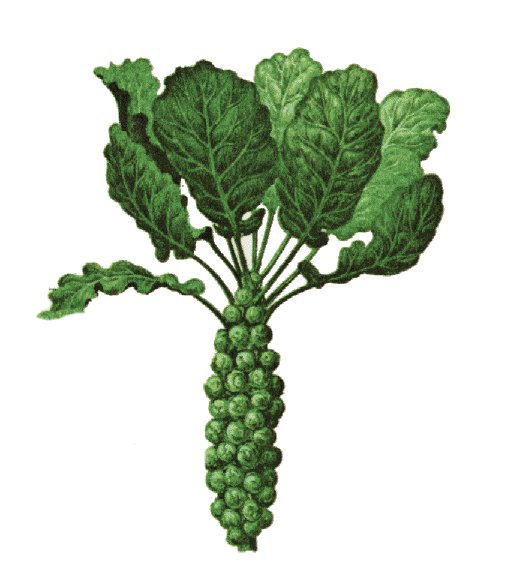
Vintage Brussels Sprouts

When I was a child, I loathed brussels sprouts.  I thought they looked cute, but they smelled disgusting.  I remember on the rare occasions I was coerced into having them, I was not impressed.  Usually the bribe here was a slice of chocolate cake or an ice cream sandwich.  However, as an adult, my tastes have changed.  So has the general opinion of brussels sprouts.  Many restaurants in Los Angeles have reinvented the way this Brassica vegetable is prepared in new, contemporary ways – such as wrapping them in bacon or prosciutto, grilling them in foil over an open flame, or tossing them into a salad whole.  Cleo, the restaurant in the Redbury Hotel, deflowers the brussel by shedding all of the leaves, and baking them like potato chips – making a very savory snack.  At a recent dinner party, I decided to sample a single brussel from a platter.  They had been baked in the oven, and smelled wonderful.   The taste was sensational and sultry.  I wondered exactly how one can make these at home, so online I went in search of a great brussels sprout recipe.

My findings took me to an incredible blog called Fannetastic Food.  Run by a dynamic, eclectic woman named Anne, her blogpost about brussels indicated that one has to cut off the nasty stalk of the sprout to avoid that sick, bitter taste many of us have experienced.  One can visit her brussels article here:  http://www.fannetasticfood.com/2011/03/30/how-to-make-brussels-sprouts-delicious/    Using her recipe and article as a base, I created my own recipe for Baked Brussels Sprouts, which I’ve made quite often recently, and they always turn out delicious.

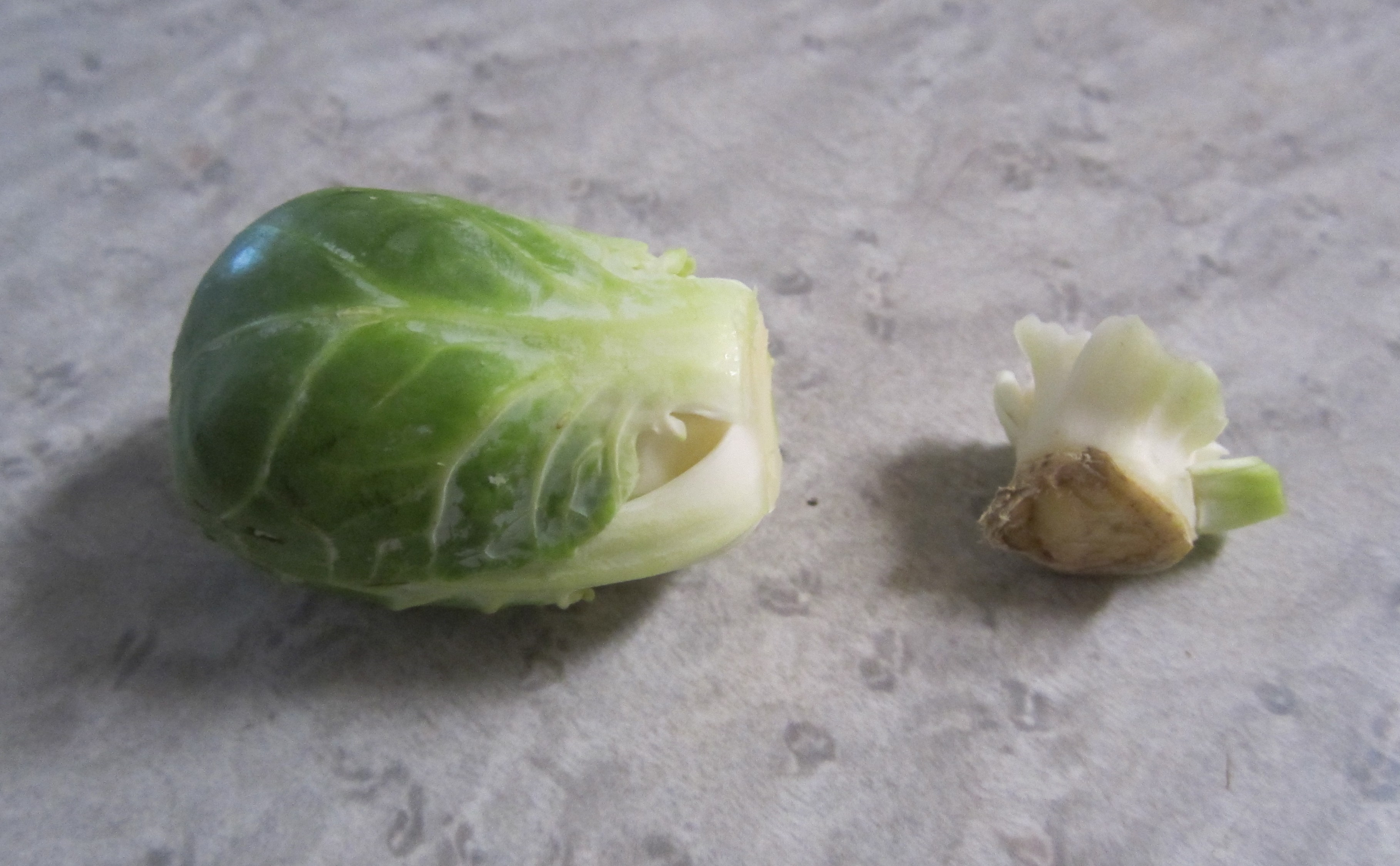
Gently wash all of the brussels sprouts. Then cut off the stalk of ill repute (above), and dispose of said stalks in the garbage.  Then, cut each brussel in half.  Some of the leaves may fall off – gather them together for later.  After the cutting is complete, take the random loose leaves and brussel halves and put them in a plastic bag.  A zip lock bag works well for this, or one can use a plastic grocery bag.  Drizzle some olive oil in the bag, and add imitation bacon bits, sea salt, lemon pepper, garlic powder, and a little chili powder to the mix.   (Feel free to play with the spices; I always do).  Then, move and shake the brussel mixture, until the olive oil and spice are covering each brussel part.

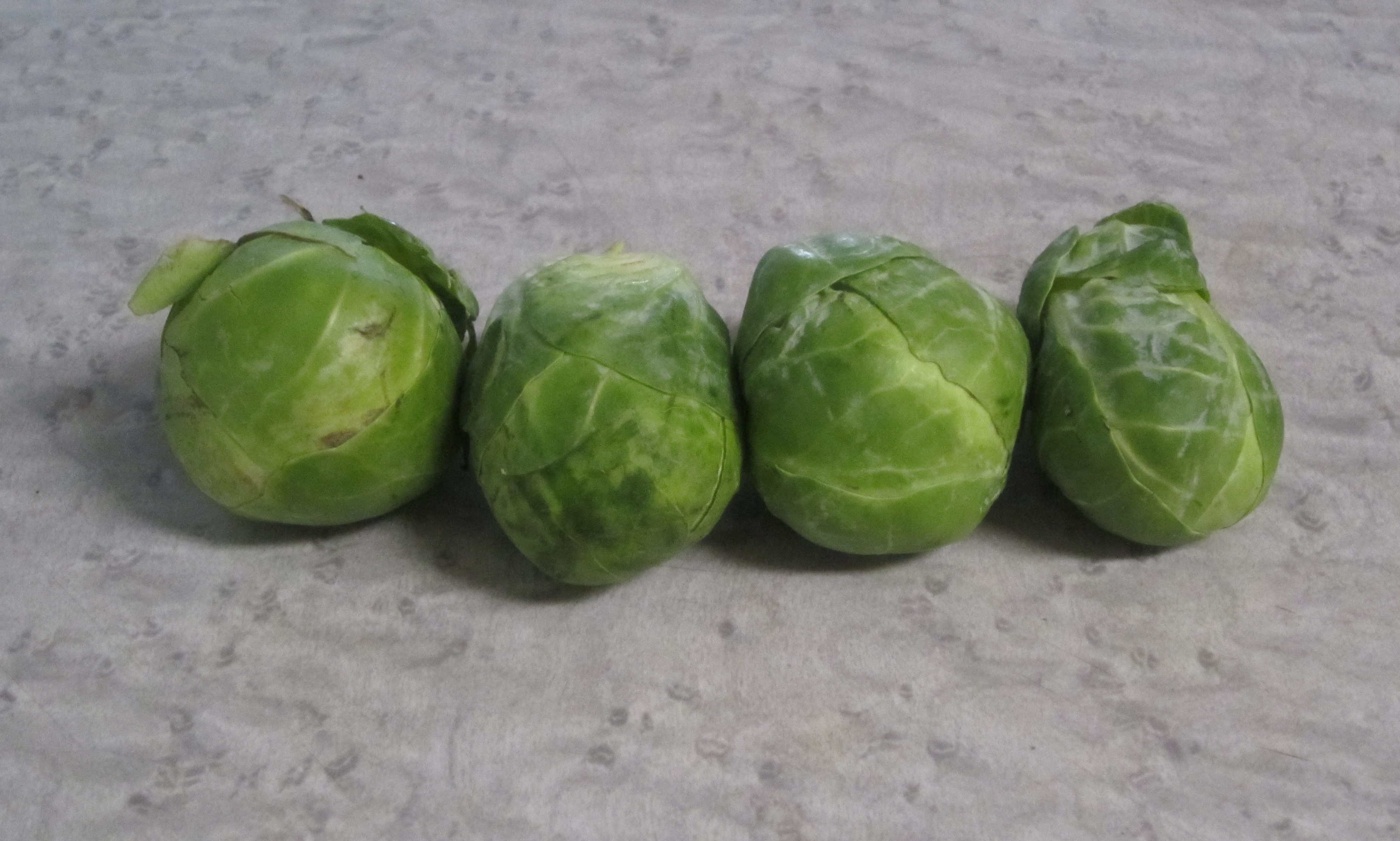
Pre-heat your oven to 400 – 425 degrees.   Oven temperatures vary, and I’ve tried both temperatures in mine, and each work equally well.  Next, take a cookie sheet and cover it with foil.  Grease the foil any way you would like.  I use a non-stick cooking spray, or olive oil.  Place the brussel halves and leaves upon the cookie sheet.  Bake the brussels uncovered for about 15 – 20 minutes , or until you feel they are done.  Play with it, and judge accordingly.  Below is an example of what my finished product typically looks like.

The Brussels Sprout earned its name from Brussels, Belgium, as they were one of the chief vegetables produced there in the sixteenth century.  The were introduced to the English and French in the nineteenth century, coming to the United States shortly thereafter in Louisiana.  By 1939, brussels were being grown in the central valley of California, where they are still primarily grown today for American consumers.  From a feng shui standpoint, the brussels sprout is a wonderful example of the wood element, being that it is derived directly from a plant, and for its calming green hues.  The shape of the brussel is more metallic.  Circles and spheres are metal in their elemental origin, and are considered very welcoming to people.  I think brussels are also very attractive – almost like pygmy cabbages.  They are also rich in Vitamins K, A, C , fiber and sulforaphane, and are excellent at lowering cholesterol.  For my next experiment in brussels cuisine, I’m going to try a brussels sprouts soup…which I think I will make later in the week.

Take a Bao

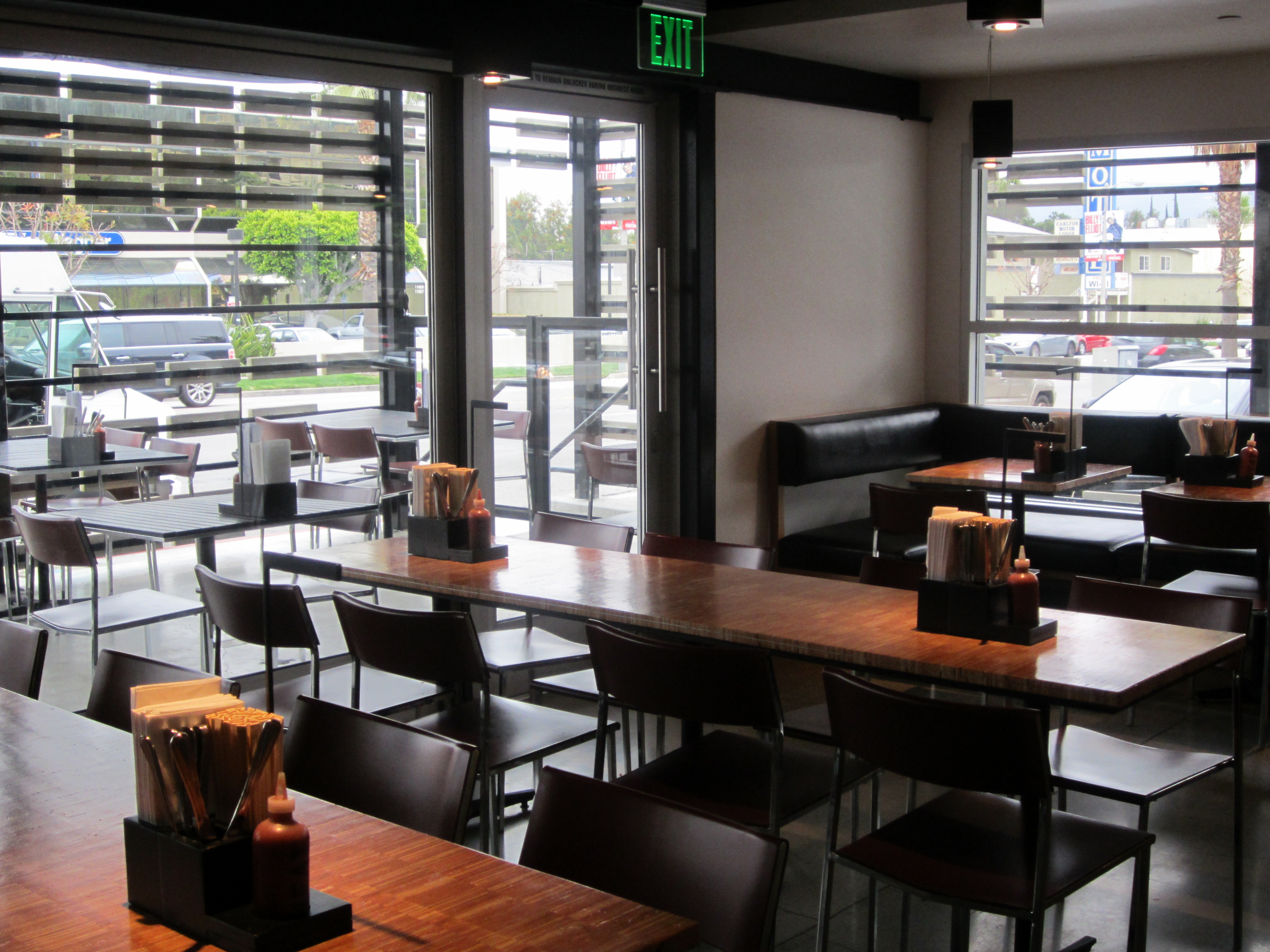
According to some, the term Dim Sum in Cantonese means Pointing to your Heart’s Desire.  To the more general populace, it is the name given to Chinese appetizers, snacks and some breakfast cuisine.  I found my heart’s desire in a quaint little bistro in Studio City called Take a Bao.  Located right on Ventura Boulevard, this restaurant offers a great Happy Hour that I was dying to check out.  I was also curious to see what feng shui elements are at play here, based solely on the use of rectangles.  Rectangles in feng shui are symbolic of the wood element.  The wood element is beneficial in a variety of ways, including new life, business growth, and stability in a nurturing environment.  It is also considered the ideal shape for a residential dwelling.  Wooden rectangles painted an earthy gray are the predominate decoration outside the bar.  And inside, the rectangle shape can be seen throughout.  Take a look at the the interior below.

Rectangles are everywhere to be seen, from the tabletops, to the shape of the windows and doors,to the chair backs, and even on the table caddies.  Now while the restaurant is predominantly modern in its design, I really liked some of the vintage touches added to the environment – such as the elegant blue and white urn pictured here, and the carved side cabinets (painted black to match, of course.)  It’s a classy mixture of old and new items.

And now on to the food!  The Happy Hour at Take a Bao is quite good, with bao and small plates ranging in the $2.00 – $4.00 category, and alcoholic beverages from $4.00 – $7.00.  And their regular menu prices aren’t bad, either.  It is more of a casual style restaurant, where one orders from the register, and the items are brought to you.  We decided to sit at the bar. And here’s what we had:

Banh Mi Bao – Grilled pork, chiles, carrots, cilantro, bean sprouts and a spicy garlic aioli are the dominate headliners in this masterpiece.  Unlike other varieties, the bao here at Take is more like a mushu or a taco, with one’s choice of a white or wheat bun, stuffed with the desired filling, and presented on a wooden board.  Lettuce is also available if one doesn’t want the carb of the bun.  I opted for the wheat option, pictured above.   Savory and mouthwatering, I could have consumed these all night…but I only had the one.  Notice the green rectangle underneath the bao.  The wood element makes yet another appearance with the material of the cutting board, the rectangular shape of the little mat, and the green color of the little mat…intriguing.  The wood element also signifies freshness as well.

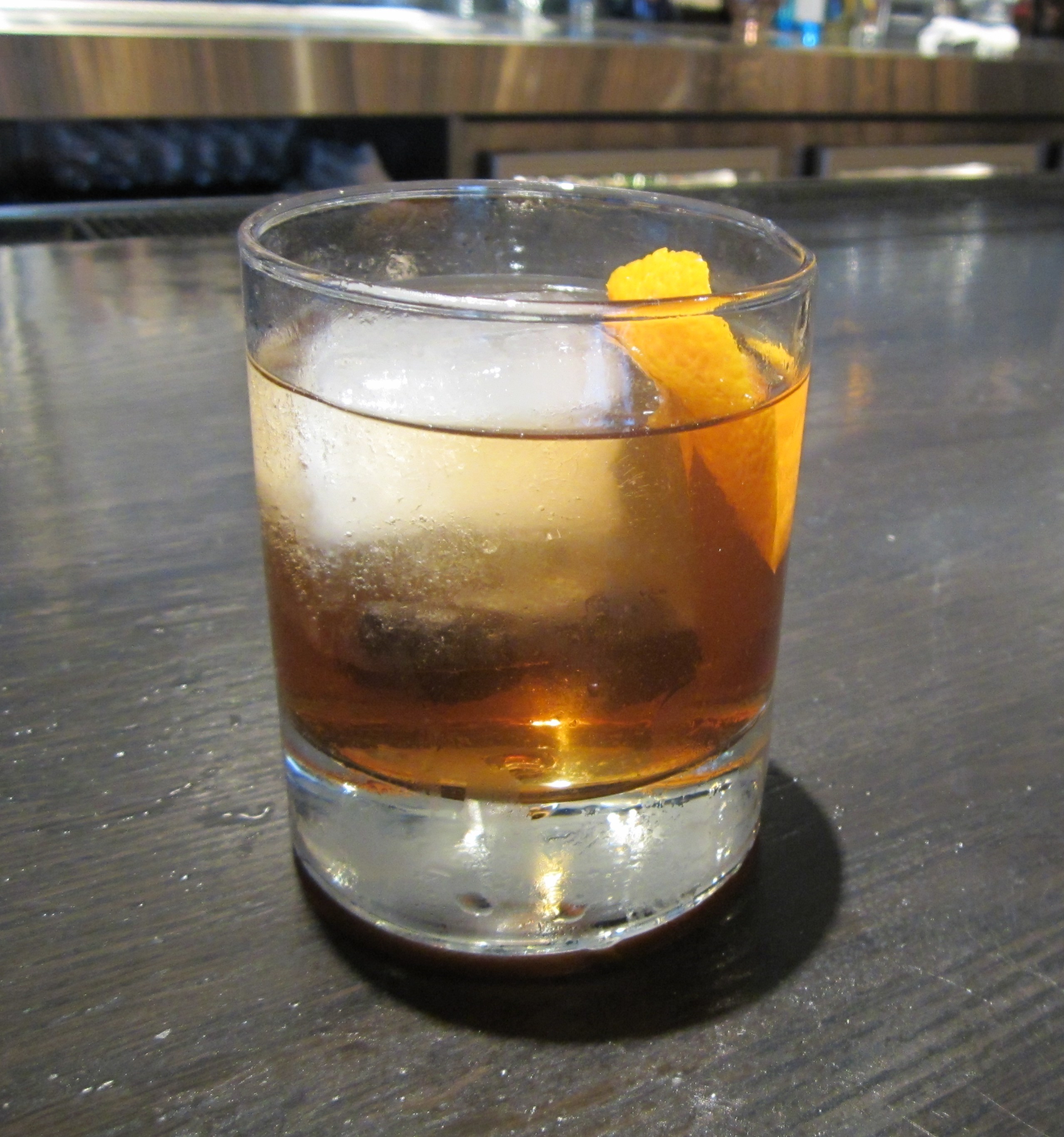
Old Fashioned – One of my favorite cocktails, this classic beverage is made with Maker’s Mark bourbon.  Notice the large, solitary ice cube in the glass.  With only one ice cube, the drink doesn’t get watered down as much as with multiple pieces of ice. Very stylish, this drink is strong and bold – definitely not for the faint of heart.

Tofu Popcorn – Bite-sized tofu cleverly deep fried into the most stunning snack.  Garnished with scallions, and served with a delectable cilantro-cashew sauce, these quickly disappeared into the cavernous realms of my stomach.  I would venture to say that even those who do not care for tofu would like this dish.  I highly recommend it.

Sumac Steak Fries – A timeless bar food classic!  These thick cut wands of potato goodness are seasoned to perfection, served with ketchup on the side.  Simply great.

The other drinks I had here were:

  • Raymond “R” Collection Field Blend – A rich and romantic red wine blend.  One can taste the cherry influence amidst the deep tannins
  • Gizz Fizz- Vanilla based beverage with Seagram’s Gin.  Sweet and refreshing.
  • Creamsicle – A dream come true!  An amazing mixture of fresh orange juice, vanilla, and vanilla vodka.  Not overly sweet, but just right.  A perfect dessert cocktail.

The bathrooms here are also a little more social than most.  The sink for both restrooms is a long, stainless steel tub located in the hallway with a large mirror above.  One aspect I really like here is the use of stones at the bottom of the sink.  Stones are an earth element, and when used correctly, can help ground the room from precious chi (energy) draining away down the drain.  This is also especially important in keeping abundance and wealth within an environment.  For most of my clients, I usually do not recommend stones for the bottom of a sink because they can be difficult to clean.  However, I love how it looks, and do this in my own home.  If one wants to use these to help keep abundant energy within a residence, I suggest getting smaller stones or river rocks and placing them in a wide bowl or container.  Place said container on top of the tank of the toilet, or on a shelf directly above the tank.  Rinse these stones out about once a month.  If you really like the idea of stones in the sink, I suggest getting perhaps four or five large, flat stones and placing them over the drain.  The flatness of the rocks will make them easier to clean, rather than lots of small stones or pebbles.  Also, notice the shape of the sink – it’s another rectangle.

Another thing I like about Take a Bao is the convenient parking.  In a city where everyone drives, finding parking is important.  A generous lot is provided for patrons – this becomes valet in the evening, but during Happy Hour it shouldn’t be an issue.  I found parking around the corner near Carpenter Elementary on a residential street.  This bar is definitely one of my new favorite spots.  Take a Bao deserves a standing ovation.

Take a Bao

11838 Ventura Blvd, Studio City, CA 91604

818 691-7223

Hours:   Happy Hour:  Monday – Friday 4:00 – 6:00,  Bar:  Monday – Saturday 11:30 – 11:00,  Sunday 11:30 – 10:00

Note:  Kitchen usually stops serving an hour before closing, except for their special late night menu on Friday and Saturday.

http://www.takeabao.com/

Victorian Los Olivos

The 1880s were a time of tremendous growth in California, with people immigrating here from the East, as well as various parts of Europe.  One Easterner who believed his future was in California was Alden March Boyd.  Due to health issues, he was forced to drop out of college.  He visited Europe, as well as various locales in The Sunshine State before purchasing a small ranch in the Santa Ynez Valley.  Wishing to improve the quality and landscape of his home, he planted an estimated five thousand olive trees, calling his estate Rancho de Los Olivos.  The name had a nice sound to it, and when the Pacific Coast Railway completed their line extension through the area in 1887, they decided to call the town Los Olivos.  Although more commonly known nowadays for its wineries rather than olives, the picturesque town is thriving with tourists and elegant architecture.  Most Victorian dwellings have high ceilings – usually around 9′ to 10 tall’.  The added ceiling height helps to regulate indoor temperatures.  It also, from a feng shui standpoint, helps to better circulate the flow of chi (energy) within the indoor environment.   Many of the new condo and apartment buildings being constructed today have returned to using historic design elements – including 9′ ceilings.   Those Victorians knew what they were doing.   Most modern ceiling heights are 8″, which is not bad.  But 9″ is more optimal for chi flow.

On my recent trip to Los Olivos, I visited the Qupe/Verdad/ Ethan Tasting Room.  Housed in a beautiful Victorian style building (above), the wines here were rich and luscious. This is a family business, with the patriarch of the family, Bob Linquist, as creator of Qupe Vineyards (pronounced cue-pay), while his wife Lousia makes the Verdad label, and his son Ethan makes – you guessed it – the Ethan label.   As impressed with the wine as I was, I was really taken with the layout of the tasting room.  They use a variety of vintage design styles here, especially focusing on that of Gustave Stickley.   A furniture designer, Stickley visited Europe in 1898, where he was introduced to the Arts and Crafts movement of the era.  The Arts and Crafts movement was somewhat of a rebellion against mass production, focusing more on products that were hand constructed by small groups or individuals rather than in factories.  The design style features simplistic lines and influences from natural surroundings.  Here at Qupe, it can be seen in many ways, from the classic mission style furniture, to the elegant Qupe motif of a poppy.   As you can see, wood and fire are the dominate elements used in the tasting room decor.  Nostalgic reproduction lamps act as a perfect example of fire energy, with the light green walls representing wood.  The wood furniture and bar are beautiful to behold.  I also really liked the carved front door, and the side table that uses a wine barrel end as its top surface.

As I meandered through the space, enjoying the tastings of the select wines I sampled, I noticed a bookshelf of wine.  I immediately felt comfortable and at home.  Of the wines I had, my two favorites were the Verdad 2009 Tempranillo, and the Verdad 2007 Tempranillo.  Both held a mellow and spicy appeal that warmed my soul.   A bottle of the latter came home with me.  The Qupe 2010 Viognier was also intriguing.

A private  chamber in the back provides more intimate tastings on the weekends.  Keeping true to the Arts and Crafts theme, I noticed a cunning wine rack made from barrel slates and reclaimed wood.  Not only it is green in its design, I’m guessing it’s also handcrafted locally, and fits in perfectly with the Stickley style.  I would have this in my home.

In feng shui folklore, the poppy is a symbol of romance and loyalty between lovers.   Displaying two together, especially in hues of red or orange, can help to draw romance to an area.  Poppies also symbolize sleep and rest.  Upon the suggestion of wine connoisseur Ann Johnson, Bob Linquist settled on the poppy motif in the window above to symbolize Qupe Wines.  Found in a vintage design book of the Stickley School of Design, the motif was meant to be embroidered on bed linens to help one sleep.   And Qupe is the Chumash word for poppy.    The elegant poppy motif is also on their over-sized wine glasses, which are available for purchase, or as a gift with a new wine club membership.

If you happen to be in the Los Olivos area, I highly suggest visiting the white Victorian house of Qupe/Verdad/Ethan Wines.  Unlike poppies, their wine will not put you to sleep – but could help to transport you to a more nostalgic time.

Qupe /Verdad / Ethan Tasting Room

2963 Grand Ave, Los Olivos, CA 93441

805 686-4200

Hours:  Tasting room open daily 11:00 to 5:00

http://qupe.com/