Brussels Sprouts… Friend or Foe?

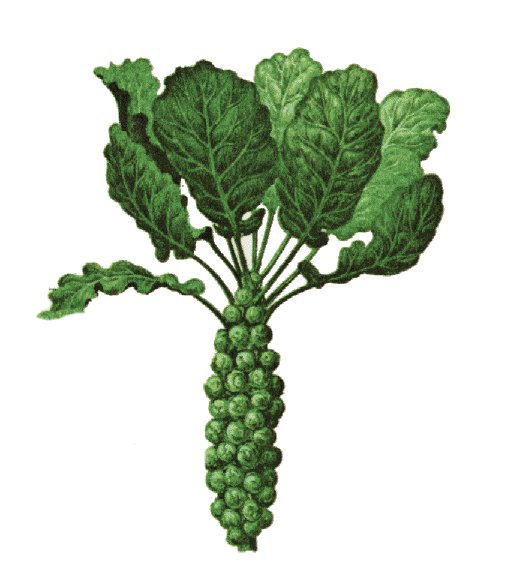
Vintage Brussels Sprouts

When I was a child, I loathed brussels sprouts.  I thought they looked cute, but they smelled disgusting.  I remember on the rare occasions I was coerced into having them, I was not impressed.  Usually the bribe here was a slice of chocolate cake or an ice cream sandwich.  However, as an adult, my tastes have changed.  So has the general opinion of brussels sprouts.  Many restaurants in Los Angeles have reinvented the way this Brassica vegetable is prepared in new, contemporary ways – such as wrapping them in bacon or prosciutto, grilling them in foil over an open flame, or tossing them into a salad whole.  Cleo, the restaurant in the Redbury Hotel, deflowers the brussel by shedding all of the leaves, and baking them like potato chips – making a very savory snack.  At a recent dinner party, I decided to sample a single brussel from a platter.  They had been baked in the oven, and smelled wonderful.   The taste was sensational and sultry.  I wondered exactly how one can make these at home, so online I went in search of a great brussels sprout recipe.
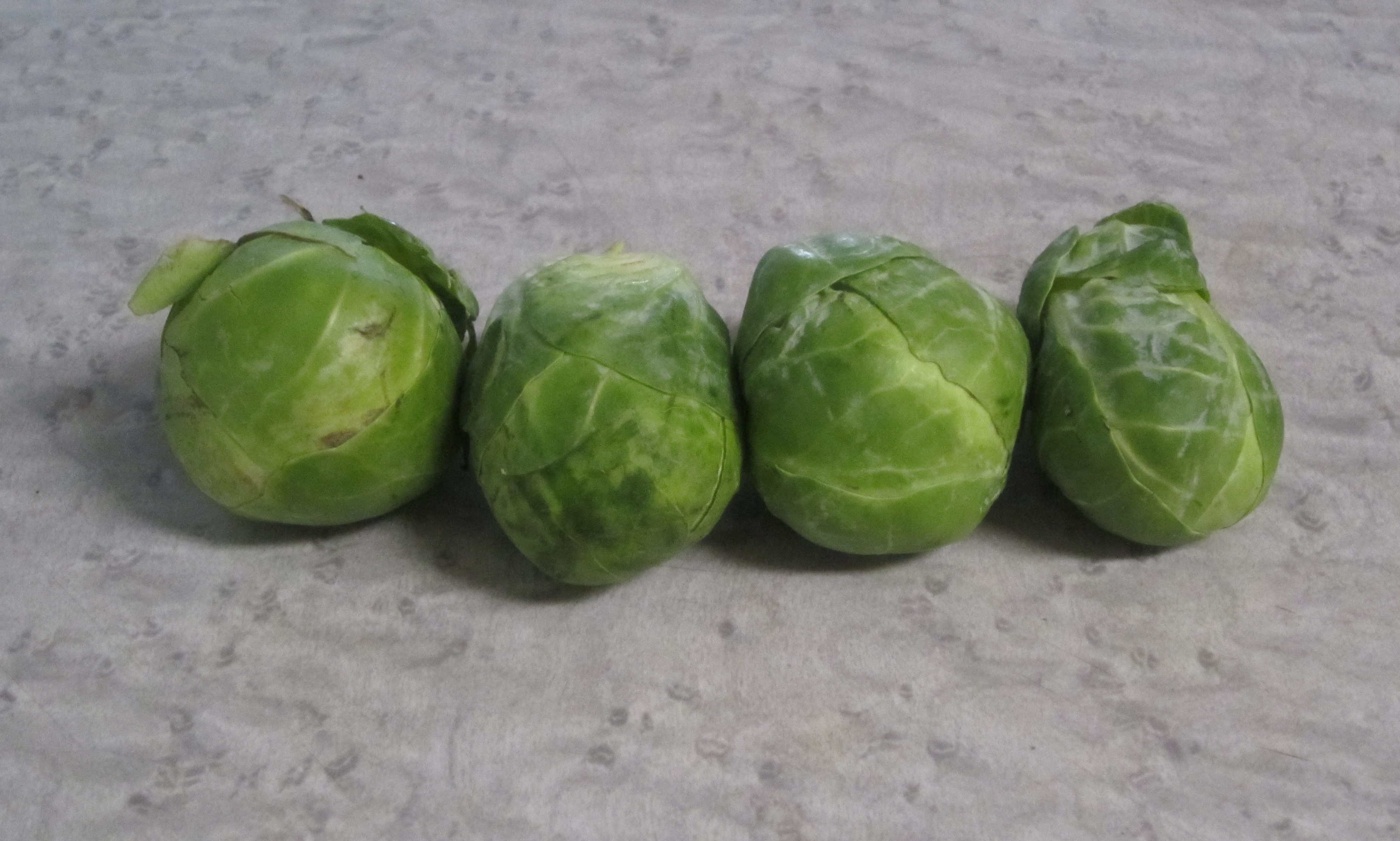
My findings took me to an incredible blog called Fannetastic Food.  Run by a dynamic, eclectic woman named Anne, her blogpost about brussels indicated that one has to cut off the nasty stalk of the sprout to avoid that sick, bitter taste many of us have experienced.  One can visit her brussels article here:  http://www.fannetasticfood.com/2011/03/30/how-to-make-brussels-sprouts-delicious/    Using her recipe and article as a base, I created my own recipe for Baked Brussels Sprouts, which I’ve made quite often recently, and they always turn out delicious.
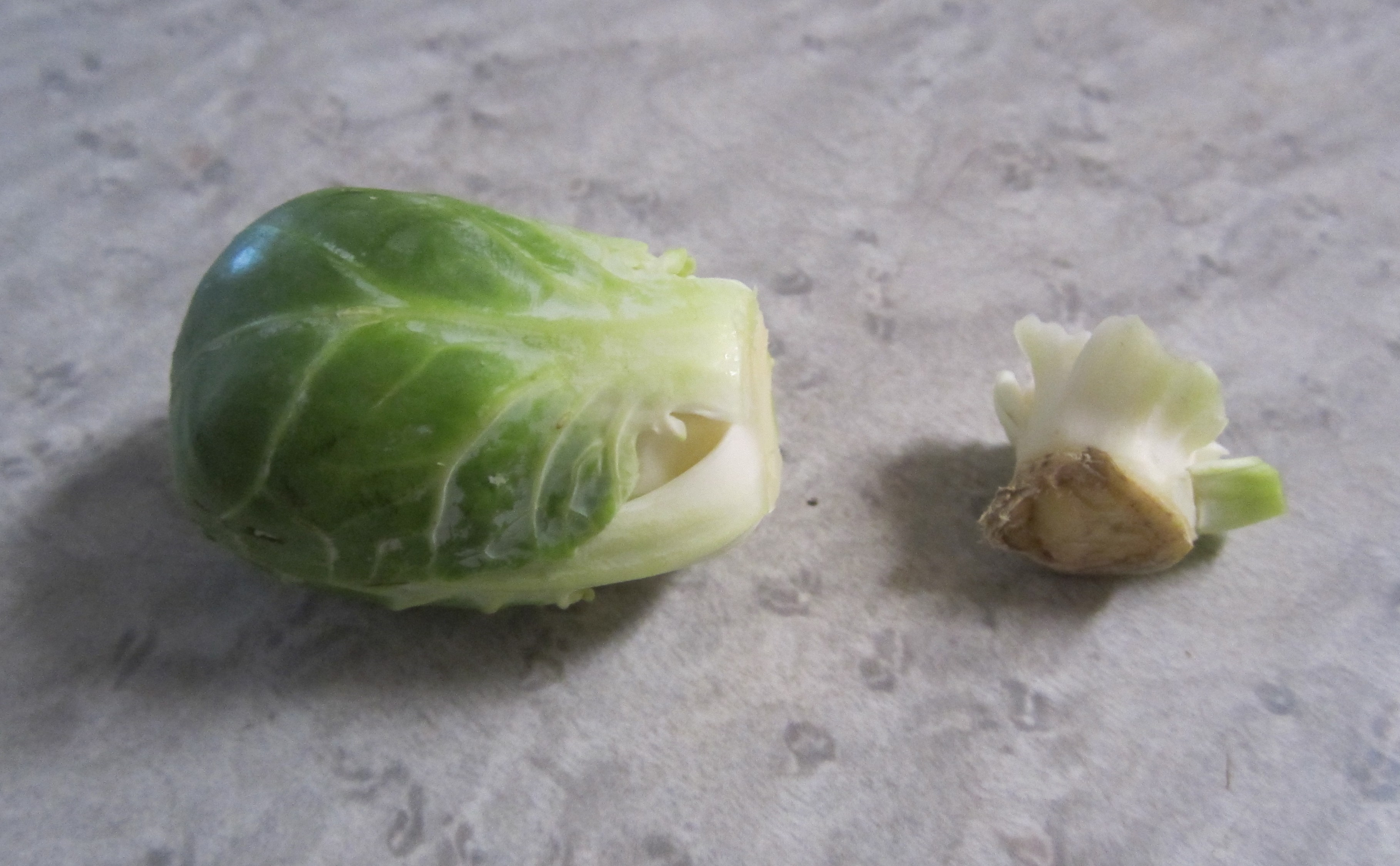
Gently wash all of the brussels sprouts. Then cut off the stalk of ill repute (above), and dispose of said stalks in the garbage.  Then, cut each brussel in half.  Some of the leaves may fall off – gather them together for later.  After the cutting is complete, take the random loose leaves and brussel halves and put them in a plastic bag.  A zip lock bag works well for this, or one can use a plastic grocery bag.  Drizzle some olive oil in the bag, and add imitation bacon bits, sea salt, lemon pepper, garlic powder, and a little chili powder to the mix.   (Feel free to play with the spices; I always do).  Then, move and shake the brussel mixture, until the olive oil and spice are covering each brussel part.

Pre-heat your oven to 400 – 425 degrees.   Oven temperatures vary, and I’ve tried both temperatures in mine, and each work equally well.  Next, take a cookie sheet and cover it with foil.  Grease the foil any way you would like.  I use a non-stick cooking spray, or olive oil.  Place the brussel halves and leaves upon the cookie sheet.  Bake the brussels uncovered for about 15 – 20 minutes , or until you feel they are done.  Play with it, and judge accordingly.  Below is an example of what my finished product typically looks like.

The Brussels Sprout earned its name from Brussels, Belgium, as they were one of the chief vegetables produced there in the sixteenth century.  The were introduced to the English and French in the nineteenth century, coming to the United States shortly thereafter in Louisiana.  By 1939, brussels were being grown in the central valley of California, where they are still primarily grown today for American consumers.  From a feng shui standpoint, the brussels sprout is a wonderful example of the wood element, being that it is derived directly from a plant, and for its calming green hues.  The shape of the brussel is more metallic.  Circles and spheres are metal in their elemental origin, and are considered very welcoming to people.  I think brussels are also very attractive – almost like pygmy cabbages.  They are also rich in Vitamins K, A, C , fiber and sulforaphane, and are excellent at lowering cholesterol.  For my next experiment in brussels cuisine, I’m going to try a brussels sprouts soup…which I think I will make later in the week.


The Feng Shui of a Burger

In Ancient Egypt, the onion was highly revered as a perennial icon.  The people of that time believed that the many layers, rings, and orbicular shape of the onion symbolized eternity and longevity.  Part of this was probably due to the face that onions were one of the few foods that did not spoil during colder months.  And of all the vegetables to be recreated in various precious metals by Egyptian artisans, the only one ever  to be made out of gold was the onion.  My own personal love of onions came out about when I was a kid, in the deep fried form of onion rings.   Those golden circles of deliciousness were so good (especially at Carl’s Jr.).  I also remember dried onions atop the ever-popular green bean casserole.  Yum.

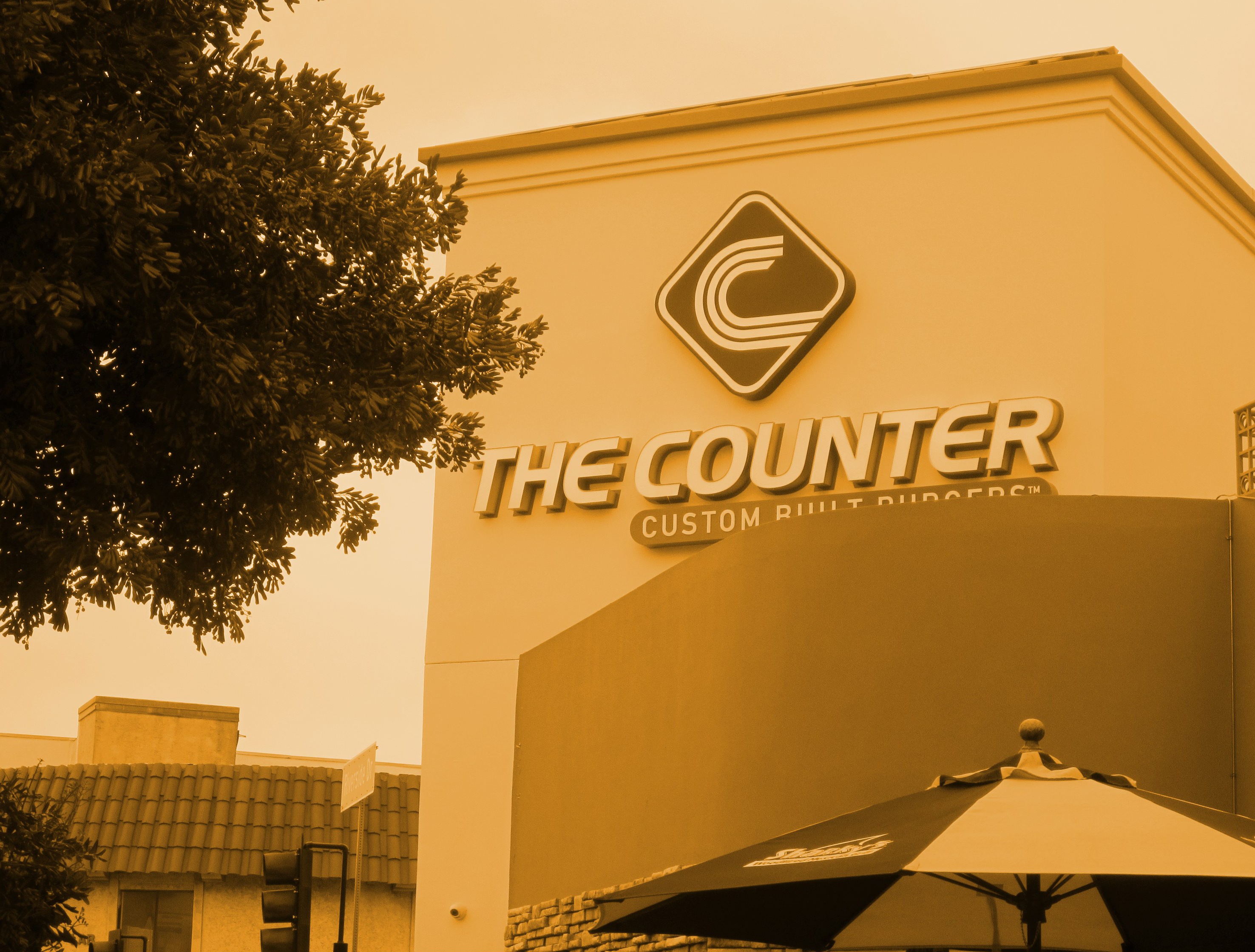
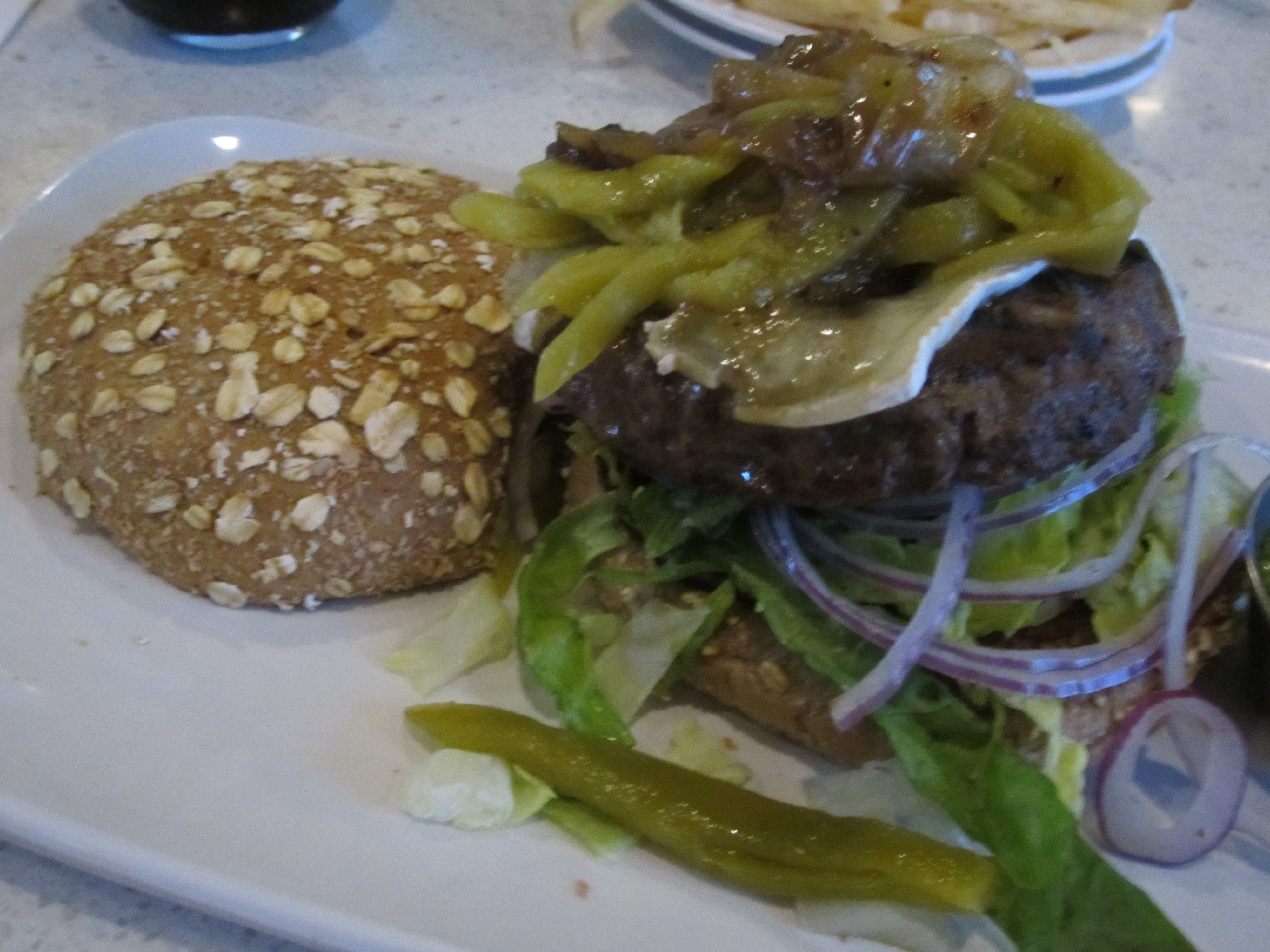
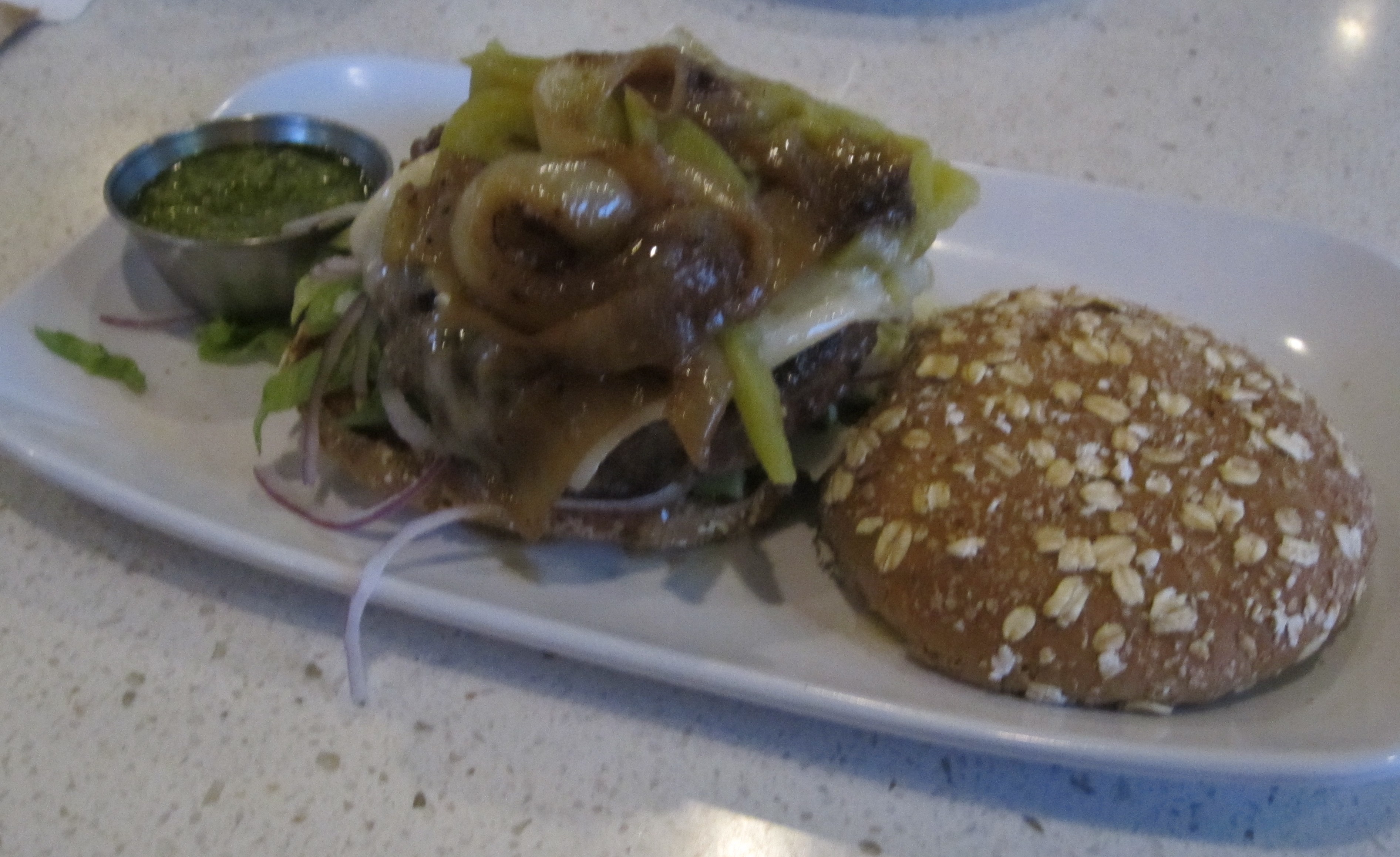
Earlier in the week, I visited the Toluca Lake location of The Counter, an international burger chain.  Unlike other burger establishments, The Counter lets patrons custom design the sandwich of their dreams.  From fried eggs to Gruyere cheese, the multitude of different combinations is astounding.  And it’s very easy to do – The Counter provides a check sheet, and patrons mark off what they want on their sandwich.  Being able to create a burger to one’s exact specifications is an excellent feng shui experience – you create the ideal burger for the environment of your stomach and taste buds.   Some locations offer different toppings than others, including what they call their MP Selections, which differ from location to location.  Here’s what I went with:

  • Multigrain Bun
  • 1/3 Beef Patty, cooked Medium
  • Brie Cheese
  • Burmuda Red Onion
  • Lettuce Blend
  • Grilled Onions (Did I mention I love onions?)
  • Roasted Green Chiles
  • Basil Pesto

The sauce selection is also served on the side, because sometimes burgers can be too dry or too moist.  My creation was absolutely ambrosial in its taste, and cooked to perfection.  But how is this burger feng shui?  Well, first, lets look at the colors, and how they represent the five elements.  The brown shades of the meat itself and the multigrain bun are very earthy.  The purple of the Burmuda onion is fiery.  The grilled onions have a slight metallic sheen to them.  The brie would also be metal, because it’s white.  Then there is the lettuce, roasted chiles, and basil pesto, all of which symbolize wood in their green hues.  Color-wise, water is not represented.  However, I had a glass of water with my meal, so I wasn’t completely without the water element.

Let’s look at the yin and yang of the ingredients of the burger.   I’ve mentioned yin and yang theory before, which is the belief that opposite components interact within and opposite each other in a complimentary way, and cannot exist without their opposite counterpart.   This theory presents itself all the time in life, especially in food.  In this sandwich, the thick yin of the burger mingles well with the sharp yang of the Burmuda onion.  The yin of the melted brie gently opposes the yang of the basil pesto.  These flavorsome combinations are evident in all cuisines.  Yin and yang can also be attributed to how food is prepared.  My burger is very much yang, as it was fried, the onions grilled, and the chiles roasted – all of which are yang food preparations for yang foods.  Also, look at the texture of the ingredients.  If the food is soft in consistency, it is yin.  But if it is hard or crunchy, than it is more yang.  I would say the burger is much more yin in its texture, as everything in the burger except the Burmuda onion was soft.  The Burmuda onion wasn’t exactly hard, but it had more of a crispness to it, making it more yang in its structure.

And of course, a burger needs a side dish.  Upon my server’s suggestion, I went with the Parmesan Cheese Fries.  Fine shreds of Parmesan  and garlic aioli completely transform the common potato to Pharaoh status.  Although they are fries, I suggest using a fork with them rather than ones hands, as the aioli brings a greasy goodness to the dish.  Fresh rosemary adds a wonderful, savory wood element  as well, adding a yang touch to a yin food.  For my beverage, I selected the Menage a Trois Blend.  A fantastic red combination with hints of raspberry and blackberry.  I’m not sure on the year, but I think it’s a 2009.   The wine accompanied the meal flawlessly.

One  thing that I really like about this branch of The Counter are the pictures on the walls.  Photographs of a rock band and their instruments hang on the Eastern wall.  I love the creative fire energy this brings to the metal-dominated interior.  My favorite of the display is pictured above.  My server, Pamela, was absolutely golden in her service.   Personable and charming, she took care of my every need to ensure that I had a great dining experience, including walking me through the burger checklist.   Should you be visiting this specific location, I advise sitting in her section.  Parking options abound in Toluca Lake, but I usually find free parking on some of the residential streets – just check the signs for restrictions.  On my next journey here, I plan on trying The Counter Cobb, and perhaps the yin energy of a chocolate malt.

The Counter Toluca Lake

10123 Riverside Drive, Suite A, North Hollywood CA 91602

Hours:  Sunday – Thursday 11:00 – 10:00,  Friday – Saturday 11:00 – 11:00

http://www.thecounterburger.com/Toluca_Lake_CA/

A Garden Oasis at Carhartt

The bewitching grace of the colorful  fish called koi has long attracted mortals.  In the folklore of many eastern countries, koi is considered to be a symbol of strength, endurance, courage and abundance.  It was also believed that the larger the koi one owned, the more prosperous one would become.  As I was entering the Carhartt Tasting Room, I was immediately taken with the colossal fish sculpture acting as guardian to the establishment.  The intricate metalwork of the delicate fins and scales is a truly beautiful thing to behold.  I am honestly not certain what kind of fish it is, but it reminded me of the stately koi.  Also known as “swimming flowers,” koi are available in a wide variety of colors, usually white, yellow, orange, red, black, or any combination thereof.  If we can judge by the grandiose size of this fish, then Carhartt must be thriving in its prosperity.

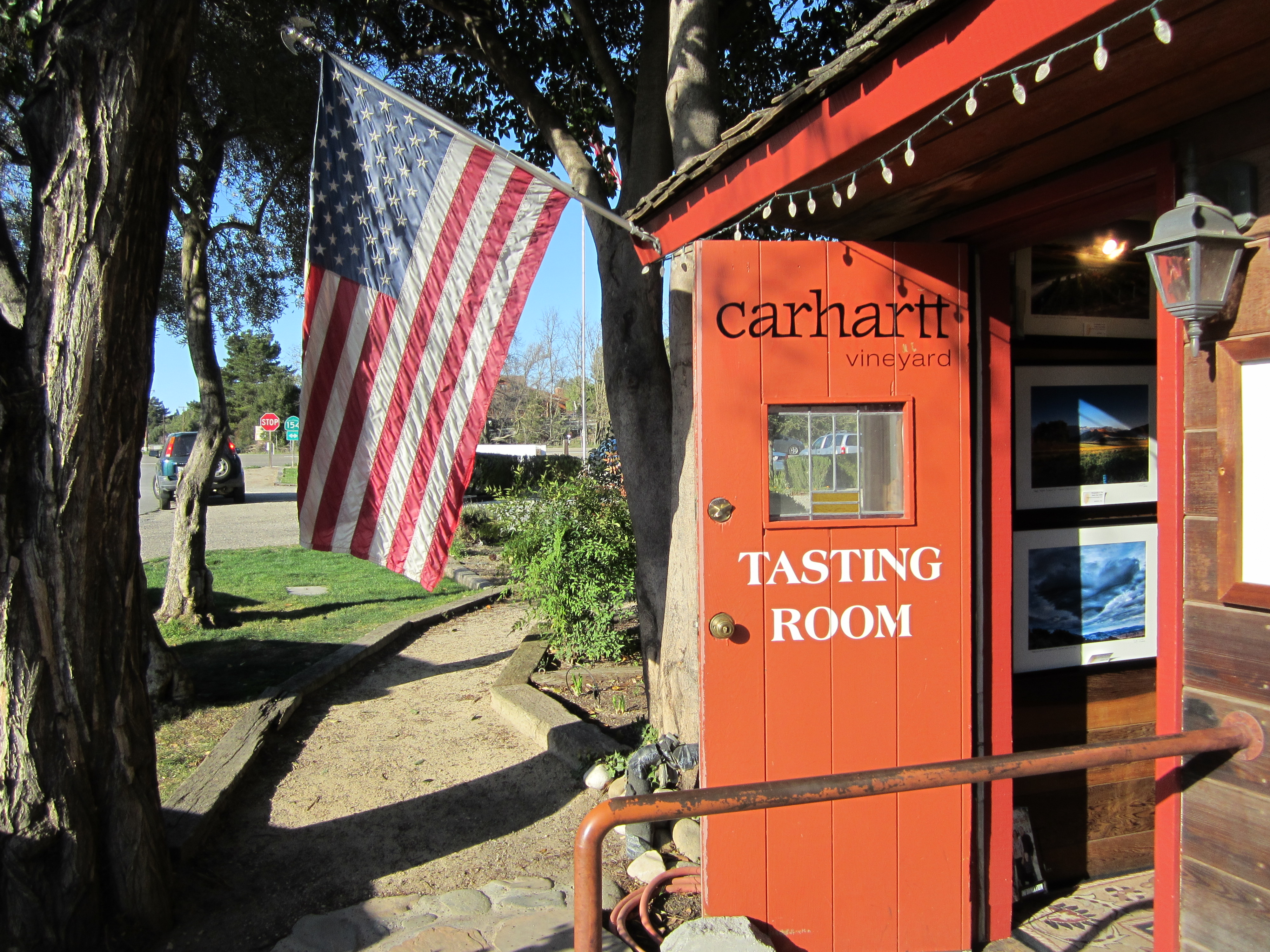
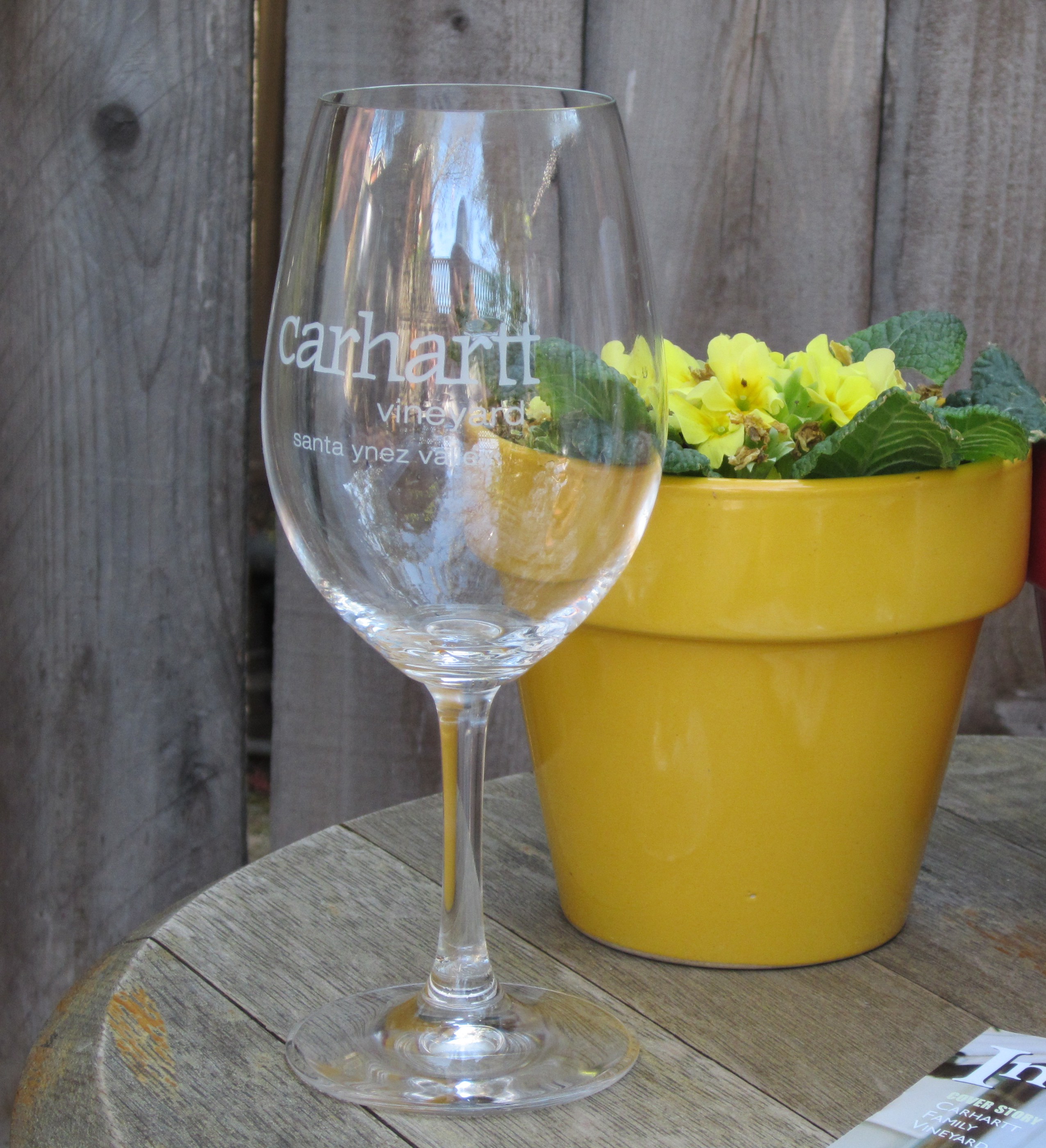
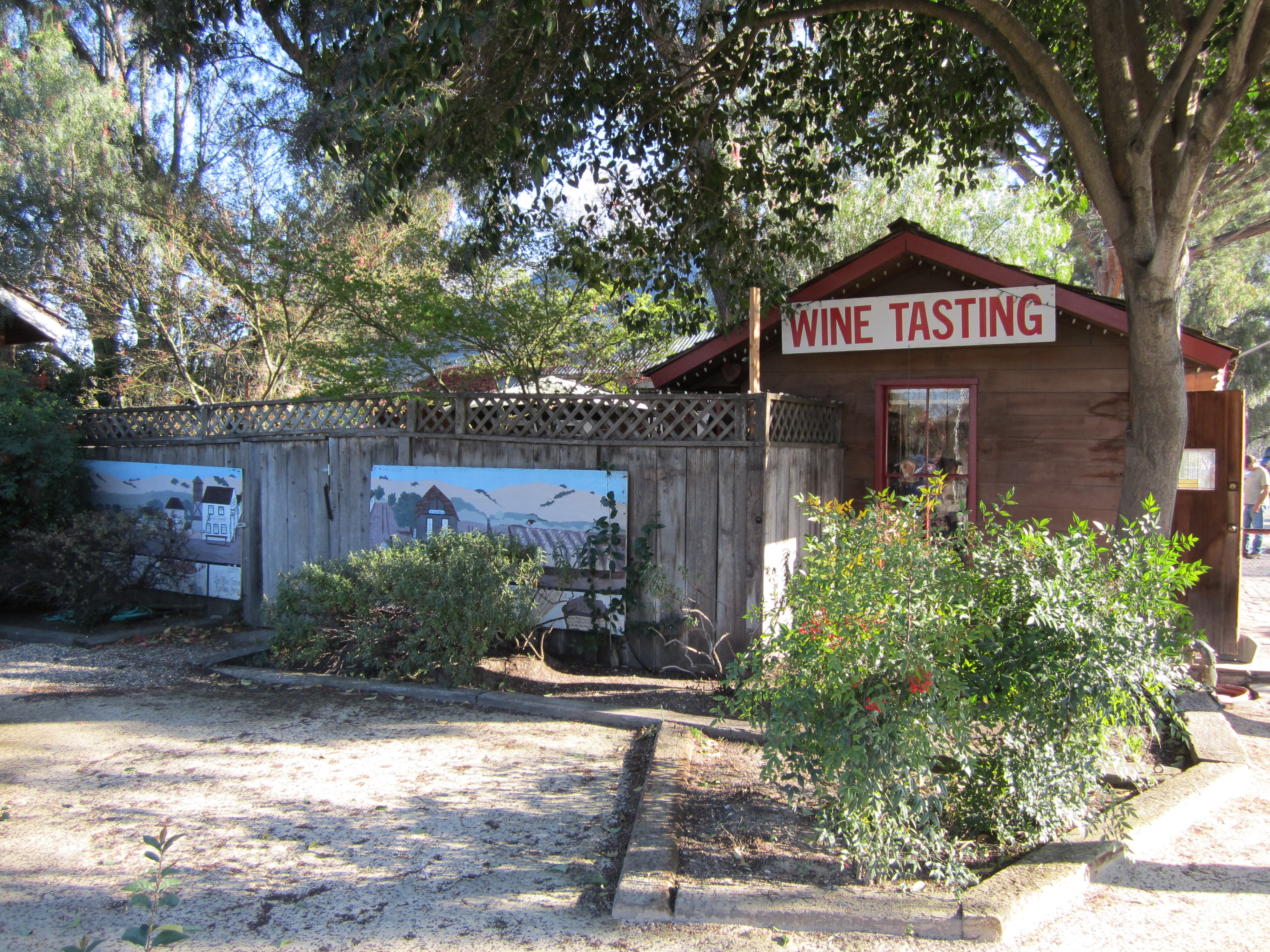
Located in the wine hamlet of Los Olivos, Carhartt is perhaps one of the smallest tasting rooms I’ve ever visited.  Photographs, mostly of the winemakers and nearby landscapes, adorn the walls of the matchbook-sized room.  But what really captured my attention was the heavenly garden in back.  Guests are invited to have their tastings out here when the weather is fine, as well as to just come and enjoy a glass or bottle at their leisure.  From a feng shui perspective, this tranquil oasis has all of the five elements represented, blending together in perfect unity:

  • Wood – The trees and lush plants in the garden.
  • Fire-The colors of the flowers and flower pots, as well as the wine in our glasses.
  • Metal -Parts of the fountain and patio furniture, and the metal signage
  • Earth – The stone of the fountain, the terra cotta flower pots, and brick tile on the ground.
  • Water – The elegant fountain, part of which is made from a wine barrel (pictured below)

Notice the little stone frog perched in the fountain.  Frogs, in feng shui folklore, attract luck and wealth, especially when paired with other items such as water and flowers.  Also, this specific frog is placed diagonally from the main entrance to the garden, which can help to attract wealth to the environment.  I think the frog is cute, and adds a healthy energy to the fountain and surroundings.  And I think I spot some real living fish in the pond, too.

And now on to the wine.  All six of the intricate wines we tried were intoxicating and lovely.  The two that really impressed me were the 2010 Sangiovese and the 2009 Syrah.  The Sangiovese had a deep, silky sheen in color and tasted divine, with hints of strawberry and oak.

The Syrah won my heart, however.  A deep, blood red wine with suggestions of chocolate, pepper, and blackberry.  It was love at first taste.  A bottle of this fine liquid gem accompanied me back home.  I will most assuredly be purchasing this again.

Another aspect I love about Carhartt wines are the labels on the bottle.  Each varietal has a different animal on it.  The Syrah has a pig, the Merlot a pheasant, the Sangiovese a rooster.  All of these animals have different meanings and symbolism, both in feng shui and other historical avenues.

The rustic class and simplicity of Carhartt made for a wonderful wine savoring experience.  They also played amazing music during the tasting, including some selections from the Oh Brother, Where Art Thou? soundtrack, most of it being a fusion of mellow bluegrass and jazz.   For a truly excellent outdoor wine tasting experience, visit the fine people at Carhartt.  And, don’t forget to pay homage to the giant metal fish in front.

Carhartt Tasting Room and Winery

2990A Grand Avenue, Los Olivos, CA 93441

805 693-5100

Hours:  Tasting room open daily 11:00 to 5:00.

http://www.carharttvineyard.com